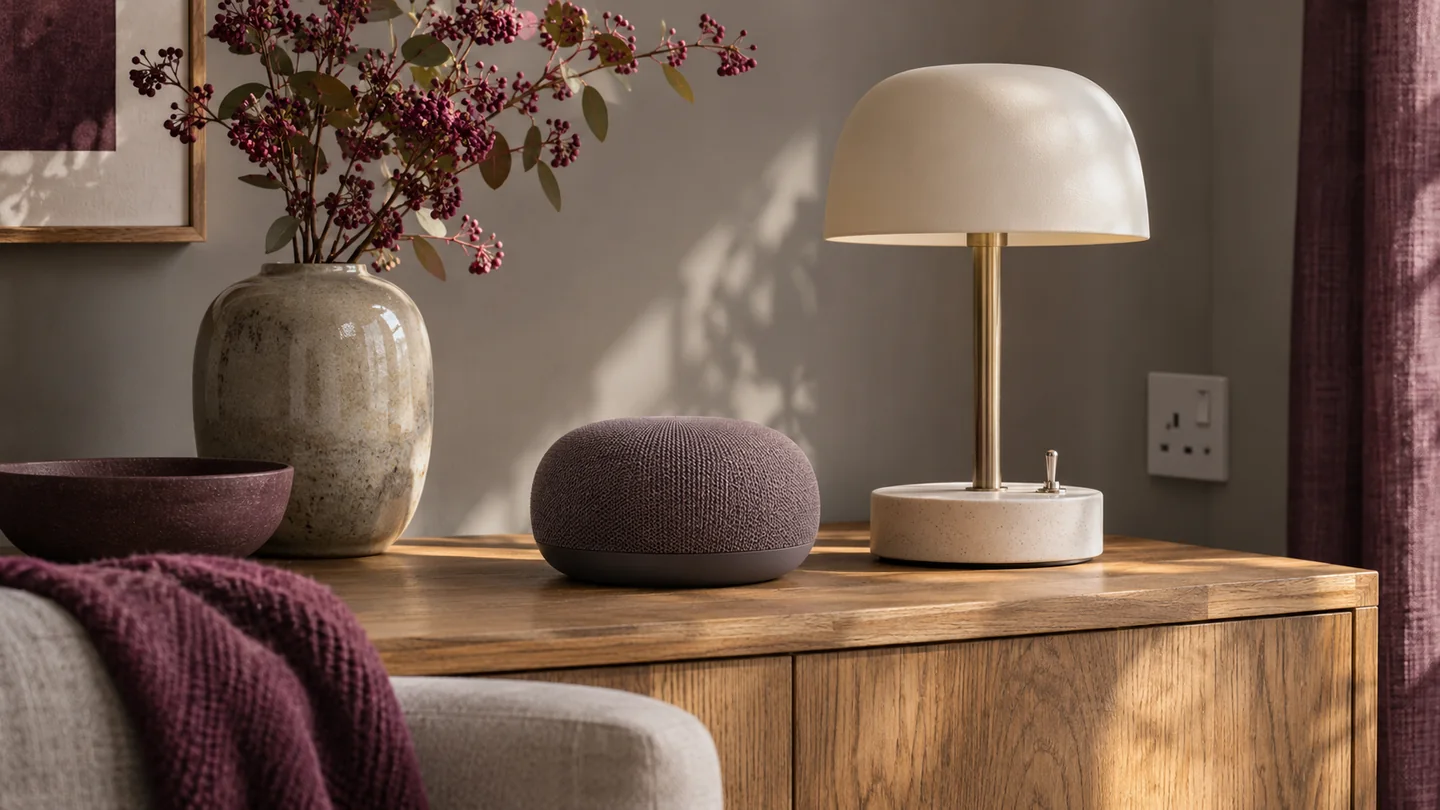
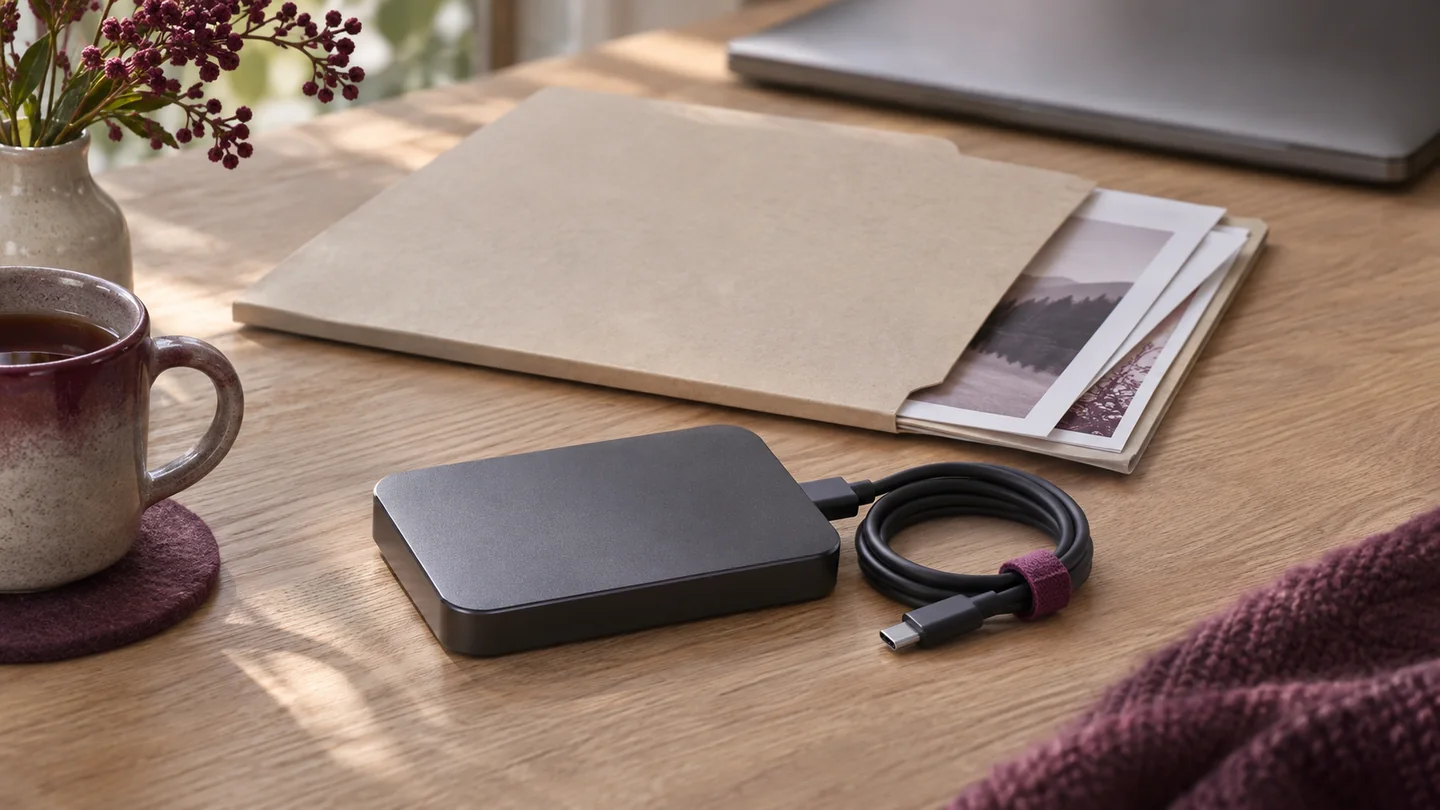
The useful questions start with everyday routines, long before a new device reaches the checkout.
pmaPMA Journal · 2 min read
ADVERTISEMENT
AI-generated editorial image · PMA Journal
THE SHORT VERSION
Ask what works without an app, a subscription, or a reliable internet connection.
Start with a recurring irritation
Describe the problem in plain language. Perhaps a switch is hard to reach or a room is inconvenient to manage. Then consider a simple change alongside a connected device. The best choice depends on the household and its needs. A feature is useful when it solves a real problem often enough to justify the setup, maintenance, and extra point of failure it introduces.
ADVERTISEMENT
Read the ordinary requirements
Inspect the exact model’s current documentation before buying. Look for power, connection, account, and compatibility requirements. Check which features need a paid service and which work locally. Avoid assuming that a familiar product name guarantees support for your existing equipment. These details can vary by model and region. Keep a copy of the information that matters to your decision.
Think about everyone at home
A device should be understandable to the people who need to use it, including guests. Consider a physical control, accessible placement, and a simple explanation of the basic action. Ask what happens if the person who configured it is away. An arrangement that works only from one person’s phone may make an ordinary household task unnecessarily dependent on that person.
Plan for a normal bad day
Imagine the internet is down, the battery is empty, or the service changes. Can you still do the essential job? Read the reset and account-removal instructions before handing a device to someone else. Consider how it will be supported and eventually replaced. You do not need to predict every failure. You need to understand which everyday tasks would become difficult and whether that tradeoff is acceptable.