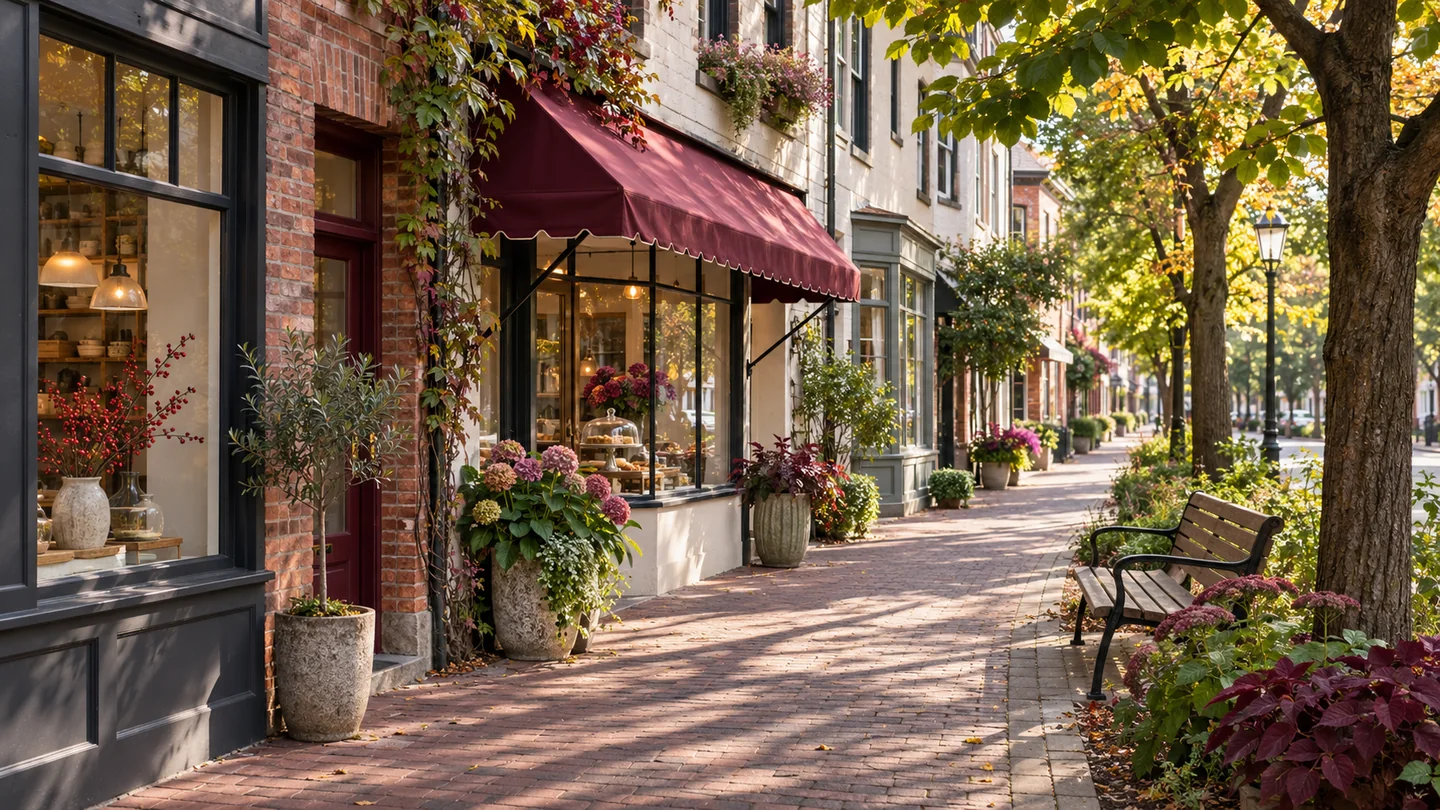
A familiar route can reveal a different place when you stop treating it only as the way somewhere else.
pmaPMA Journal · 2 min read
ADVERTISEMENT
AI-generated editorial image · PMA Journal
THE SHORT VERSION
Take a comfortable, accessible route and notice one thing you usually pass.
Begin with a route you can manage
Choose a distance and terrain that suit your mobility, available time, and local conditions. A neighborhood outing does not need to be long. The purpose is to notice your surroundings, whether you walk, roll, or pause at a familiar corner. Check crossings, weather, and personal safety first. Comfort gives you more room to look around instead of concentrating on getting through the route.
ADVERTISEMENT
Change one small part
Take the other side of a street or turn one block earlier when it is safe to do so. A small change can reveal a courtyard, a community noticeboard, or a shop you have overlooked. You do not need to find a hidden gem. Ordinary places become more useful when you know when they open, where you can sit, and how they connect to the routes you already use.
Notice the practical details
Look for shade, benches, public transport stops, and convenient places to cross. These details can change how a route feels at different times of day. Keep an informal note if it helps you plan future trips. Respect residents’ privacy and avoid treating every interesting doorway as an invitation to enter. Getting to know a place includes learning its boundaries.
Let familiarity accumulate
Repeat a route at another time if your schedule allows. You might notice a different pace, light, or pattern of activity. Say hello when it feels appropriate, support a local place if you want to, or simply enjoy knowing your way around. A neighborhood does not have to become a collection of recommendations. It can become a place where more of the everyday details are recognizable.